Original price
Rs. 1,000.00
-
Original price
Rs. 8,200.00
Original price
Rs. 1,000.00
Rs. 1,000.00
-
Rs. 8,200.00
Current price
Rs. 1,000.00
| /
Product Info Badges – COD Popup
Arrives by …
COD Available
i
Warranty Available
GST Invoice Available
Cash on delivery policy
Pay in cash when your order arrives — no advance payment required.
COD is available on orders up to ₹10,000. Orders above this limit must be prepaid.
Please keep exact change ready. Delivery partners may not carry change for large denominations.
COD orders may take 1–2 extra days to process compared to prepaid orders.
COD may not be available for certain product categories, remote pin codes, or during special sale events.
Description
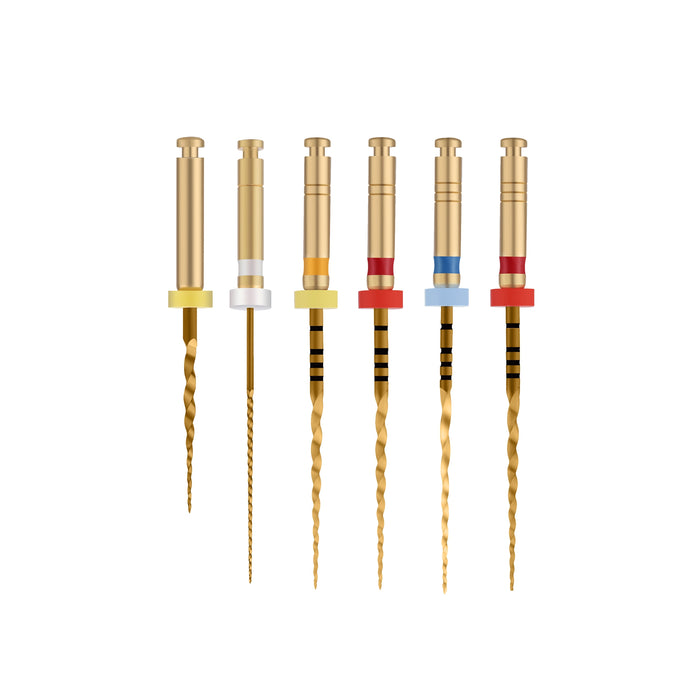
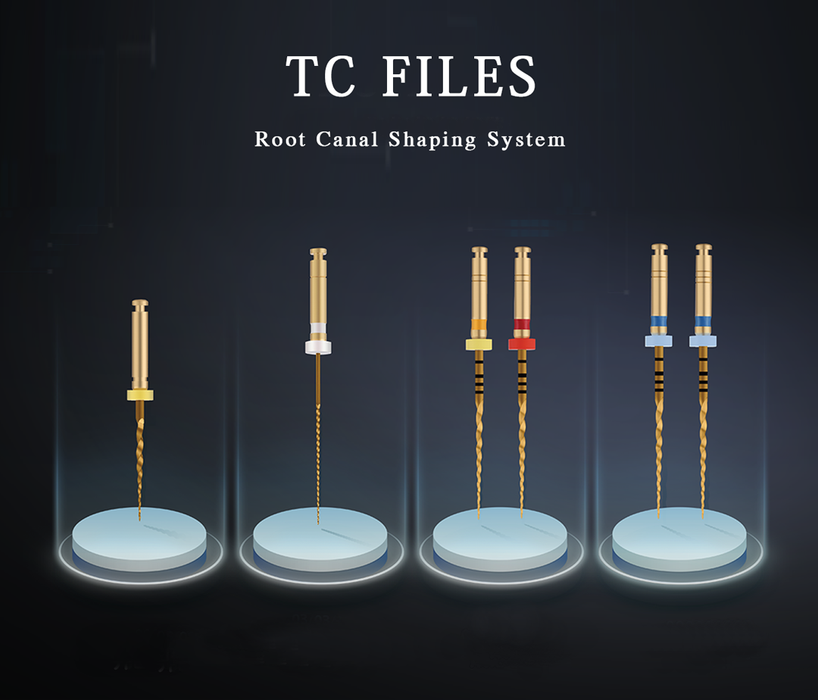
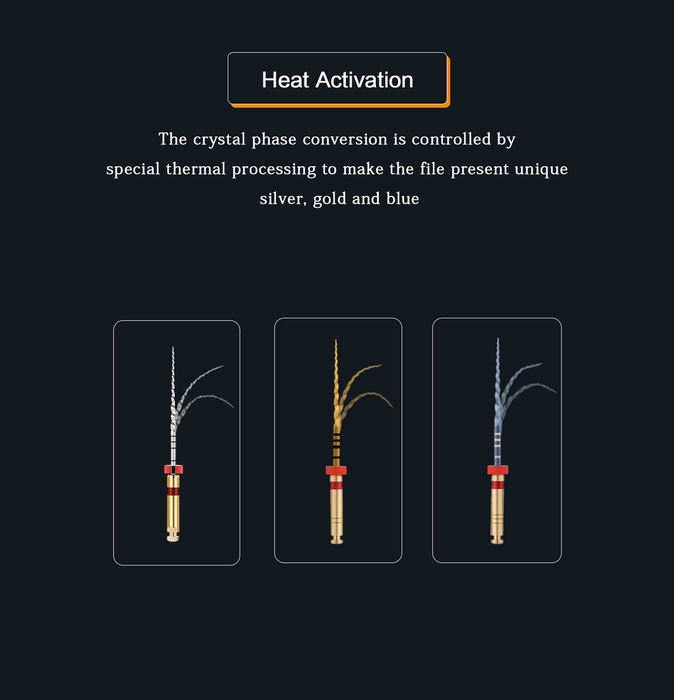
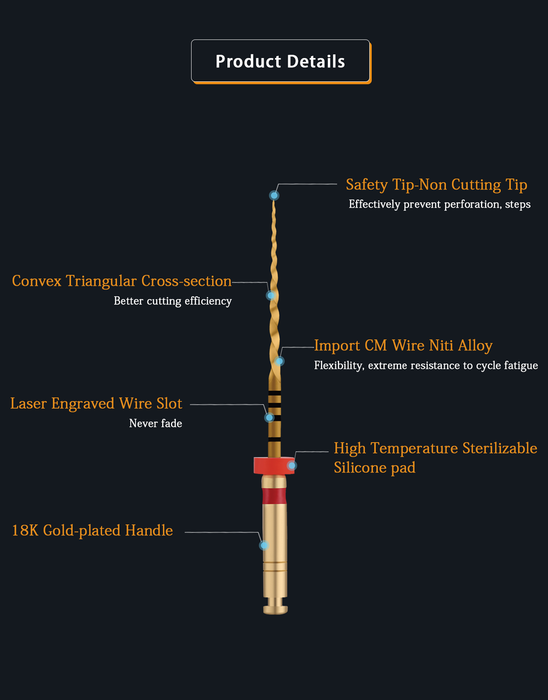
APL STAR-FLEX Gold Rotary Files are premium third-generation NiTi rotary instruments designed for precise root canal cleaning and shaping. Manufactured with advanced gold thermal treatment technology, these files offer superior flexibility, enhanced cutting efficiency, and exceptional resistance to cyclic fatigue. The triangular cross-section and non-cutting safety tip ensure smooth navigation through curved canals, minimizing procedural errors and improving patient outcomes.
Key Specifications
• Material: NiTi alloy with gold heat treatment
• Length: 21 mm
• Cross-section: Triangular
• Tip Type: Non-cutting safety tip
• Flexibility: Super flexible gold alloy
• Cyclic Fatigue Resistance: 350% higher than conventional NiTi files
• Autoclavable: Yes, up to 134°C
• Technique: Crown Down
Direction To Use
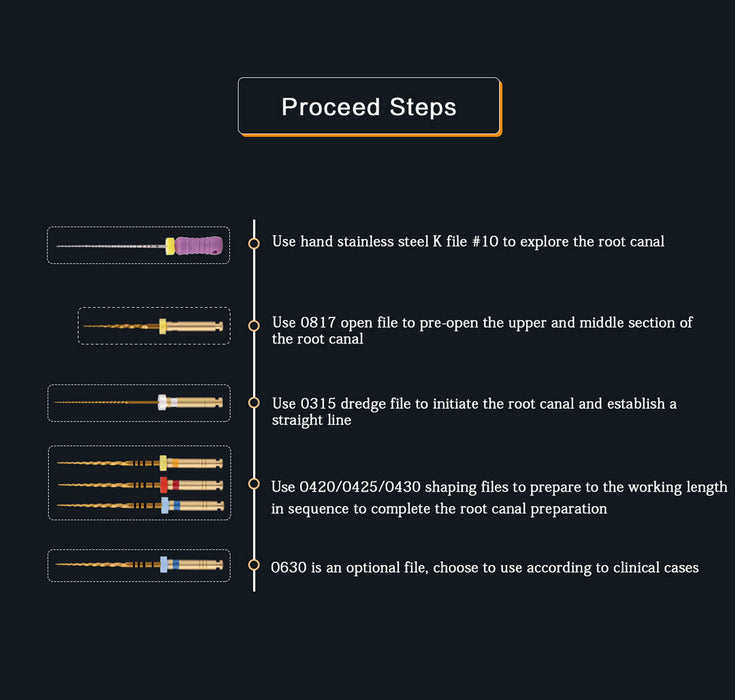
• Prepare the access cavity and explore the canal using #8, #10, or #15 K-Files.
• Determine the working length using an apex locator (EAL) or radiograph.
• Start with a #15 hand file (2% taper) and an orifice opener rotary file to establish the initial glide path.
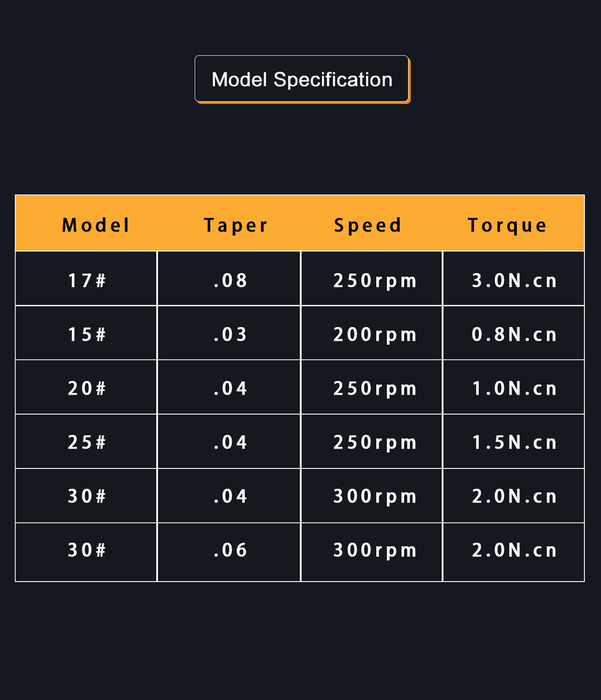
• Narrow Canals: Use #20 (4% taper) followed by #25 (4% taper) STAR-FLEX files.
• Medium Canals: Use #30 (4% taper) STAR-FLEX file.
• Wide Canals: Use #25 (6% taper) followed by #35 (4% taper) STAR-FLEX files.
• Begin with #8 and #10 K-Files to negotiate the canal and create an initial path before using rotary files.
• Always irrigate the canal before using rotary files and recapitulate with K-Files when required.
• Use the rotary files with a gentle brushing motion.
• Advance the file passively to the point of light resistance and brush outward. Do not force the file.
• Repeat the brushing motion and file sequence until the working length is reached.
• After shaping is complete, perform final irrigation and proceed with canal obturation as per the clinical protocol.